
How to Decide What Type of AC System is Right for Your Home
Choosing the right air conditioning (AC) system for your home is crucial for comfort, energy efficiency, and cost-effectiveness. With various options available on the market, it can be overwhelming to determine which system best fits your needs. Keep reading to explore different factors to consider when investing in AC replacements, so you can make an informed decision.
Understand the Different Types of AC Systems
Central Air Conditioning
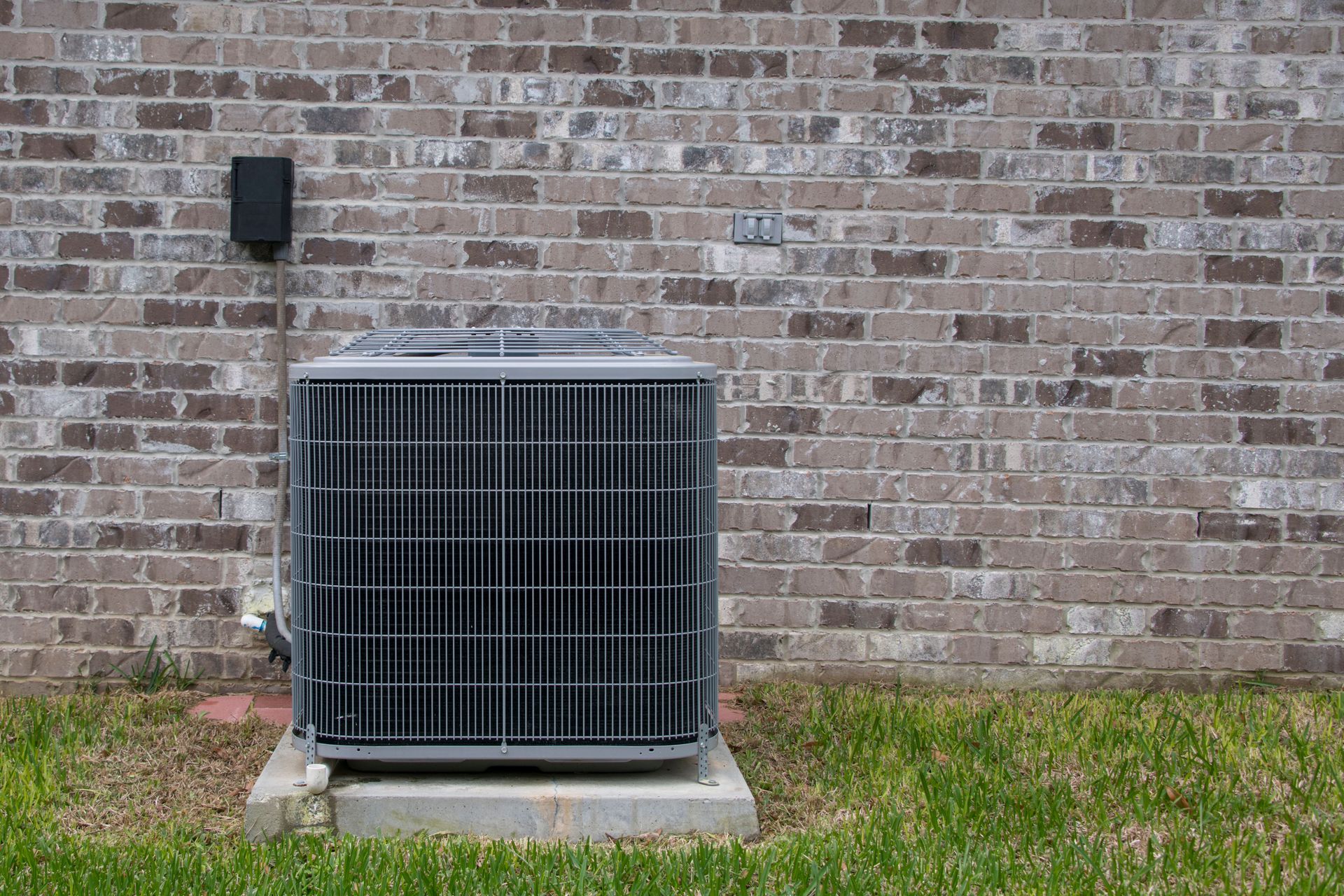
Central air conditioning systems are popular for their ability to cool entire homes uniformly. These systems utilize ductwork to distribute cool air throughout the house, making them efficient for larger spaces. Central AC replacements are often more expensive upfront, due to the complexity of the installation and the need for extensive ductwork. Despite the cost, they can provide consistent cooling and seamlessly integrate with existing heating systems. For homes with existing ductwork, central air conditioning can be a cost-effective choice.
Ductless Mini-Split Systems
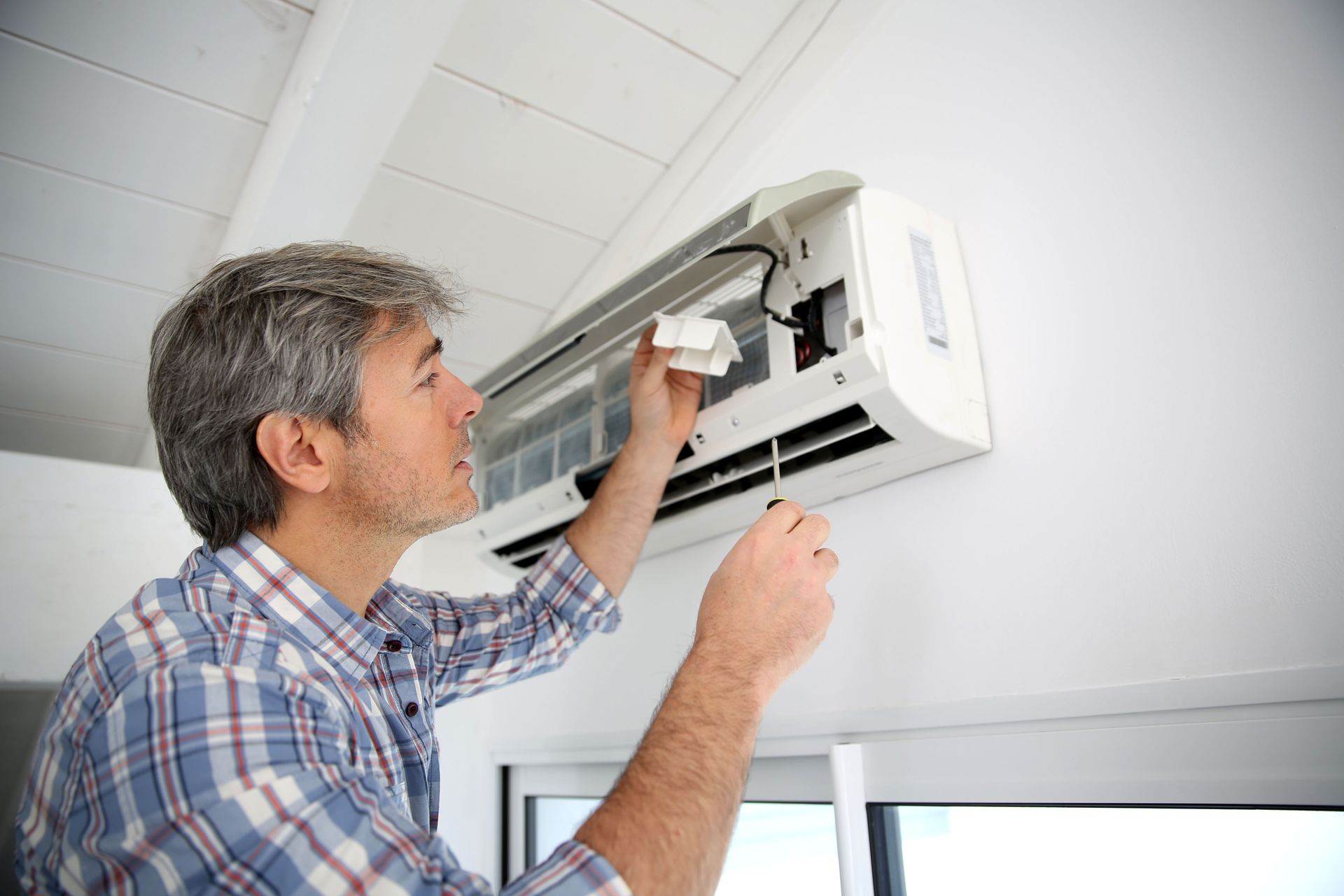
Ductless mini-split systems offer a flexible solution for cooling individual rooms or zones within a home. These systems consist of an outdoor unit and one or more indoor air handlers that are connected via refrigerant lines. The absence of ductwork makes them a great option for homes without existing ducts or for those looking to add air conditioning to specific areas. Each indoor unit operates independently, allowing for customized comfort settings in different rooms. This flexibility can lead to energy savings as you only cool the rooms you use most.
Window Units
Window units are a common choice for cooling single rooms or small spaces. They are relatively affordable, easy to install, and generally require minimal maintenance. However, window units can obstruct views and natural light, which may not be ideal for every home. Efficiency can also be a concern, as they may not provide the consistent cooling that more centralized systems offer. For renters or those in need of temporary cooling solutions, a window unit could be a practical choice.
Portable Air Conditioners
Portable air conditioners provide a convenient and mobile option for spot cooling or supplementing central systems. Unlike window units, portable ACs can be easily moved from room to room, offering flexibility in cooling. They typically require venting through a window or sliding door, which can slightly compromise their effectiveness. Energy efficiency can also vary, making it important to consider the unit's Energy Efficiency Rating prior to purchase. In scenarios where mobility is essential, portable air conditioners present a viable solution.
Assess Your Home's Cooling Needs
Square Footage and Layout
The size and layout of your home play a crucial role in determining ideal options for AC replacements. Larger homes may benefit from central air conditioning, which can efficiently cool expansive spaces through ductwork. Meanwhile, smaller homes or specific rooms might be better served by ductless mini-split systems or window units. It's also important to consider any open-plan layouts or high ceilings, which can affect how air circulates. Understanding these factors will guide you in choosing a system that provides sufficient cooling capacity.
Number of Rooms
The number of rooms in your home will influence the type of AC system that best suits your needs. Homes with many rooms may require a network of mini-split systems to provide targeted cooling where it's needed most. Alternatively, a central system with zoning capabilities can allow you to control individual room temperatures. For those with limited rooms, a window unit can be a simple and effective solution. Evaluating how each space is used will help in selecting an appropriate cooling strategy.
Insulation Quality
Insulation quality is a critical factor that affects the efficiency of any AC system. Homes with excellent insulation retain cool air more effectively, which can lead to reduced energy consumption and lower utility bills. If your home has poor insulation, you may need to invest in more powerful systems to achieve desired comfort levels. Upgrading insulation can also serve as a cost-effective measure, enhancing the performance of any installed air conditioning. As reported by Energy.gov, enhancing energy efficiency measures can potentially cut down AC-related energy usage by up to 50%.
Climate and Weather Conditions
The local climate and weather conditions are important when selecting systems for AC replacements. In regions with extreme heat, a robust central system may be necessary to maintain comfortable indoor temperatures. Conversely, in areas with milder climates, a ductless mini-split or portable unit might suffice. The humidity levels in your area should also be considered, as some systems offer dehumidification features. Tailoring your choice to the climate ensures optimal performance and energy efficiency.
Existing Heating Systems
Existing heating solutions in your home can impact your choice of options for AC replacements. Homes equipped with forced-air heating can seamlessly integrate central AC systems, utilizing the existing ductwork. On the other hand, homes with radiant or baseboard heating may find ductless systems more appropriate to bypass the need for ducts. Hybrid systems can complement various heating types, offering an efficient and unified heating-cooling solution. Understanding this relationship will aid in selecting a compatible and cost-efficient system.
Evaluate Energy Efficiency
SEER Ratings
The Seasonal Energy Efficiency Ratio (SEER) is a measure of an air conditioner's efficiency. A higher SEER rating indicates higher energy efficiency, which can translate to lower energy costs. When considering systems for AC replacements, it's important to weigh whether the energy savings from a higher SEER unit justify the potentially higher upfront costs. In many cases, especially in hot climates, investing in a high SEER system can lead to significant savings over time. It is wise to compare the SEER ratings of different models to optimize energy usage.
Energy Star Certification
Energy Star certification is a credible marker of an AC system's energy efficiency. Units with this certification have met or exceeded efficiency guidelines set by the U.S. Environmental Protection Agency. Opting for Energy Star-certified models can assure you are selecting products that offer superior energy savings. Not only do these systems support sustainable living, but they may also qualify for rebates or incentives. This certification is a valuable consideration when striving for eco-friendly and cost-effective cooling solutions.
Annual Energy Consumption
Analyzing the annual energy consumption of an AC system is essential for understanding its operational costs. Systems with high inefficiencies can lead to elevated energy bills, impacting your budget negatively. On the contrary, selecting energy-efficient models can drastically reduce annual electricity expenses. According to the U.S. Department of Energy, transitioning to a high-efficiency air conditioner can potentially cut AC-related energy consumption by up to 50%. This makes evaluating energy consumption a vital step in making an informed decision.
Environmentally Friendly Options
For environmentally conscious homeowners, considering the ecological impact of AC systems is crucial. Some systems utilize refrigerants with low global warming potential, thus reducing their carbon footprint. Hybrid or solar-powered air conditioners can further lessen environmental impact by reducing reliance on fossil fuels. Selecting an environmentally friendly system not only supports sustainability but may also provide eligibility for government incentives. Prioritizing green options supports both ecological well-being and long-term economic savings.
Long-term Cost Savings
When seeking systems for AC replacements, it's important to consider long-term cost implications beyond just the initial purchase. Systems with higher energy efficiency can produce substantial savings on utility bills over their lifespan. While the upfront investment may be greater, these savings may more than offset the initial costs in the long run. Additionally, choosing systems with lower maintenance requirements can further enhance cost-effectiveness. The financial trade-offs between short-term costs and long-term savings should be carefully evaluated.
Choosing the right air conditioners for AC replacements involves careful consideration of various factors, including your home's specific needs, energy efficiency, budget constraints, and expert advice. By thoroughly analyzing each aspect, you can choose a system that will provide optimal comfort, efficiency, and cost-effectiveness for years to come. Ultimately, an informed choice can enhance your home's environment, promote energy savings, and offer peace of mind knowing you've invested wisely. Contact Made New Air Conditioning & Heating Inc today for expert HVAC services.
Share On: